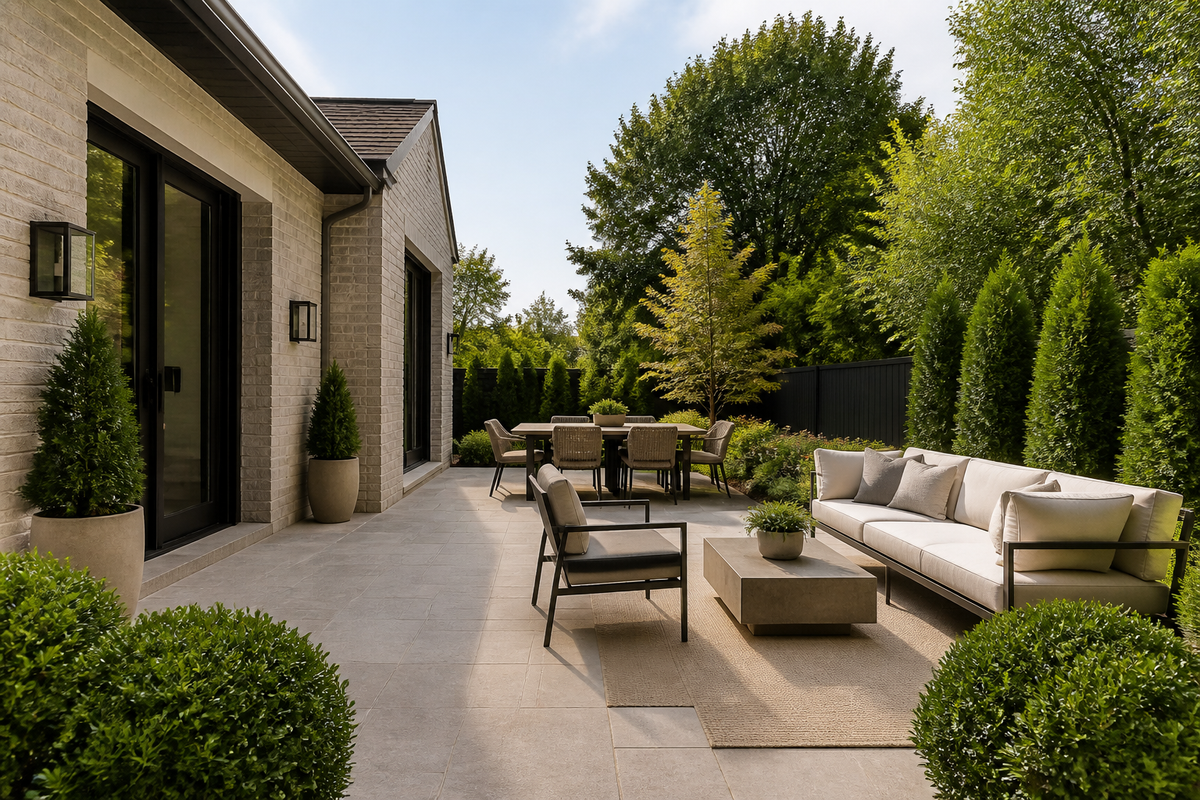
Article: What Is the Best Weather Resistant Outdoor Furniture Material?
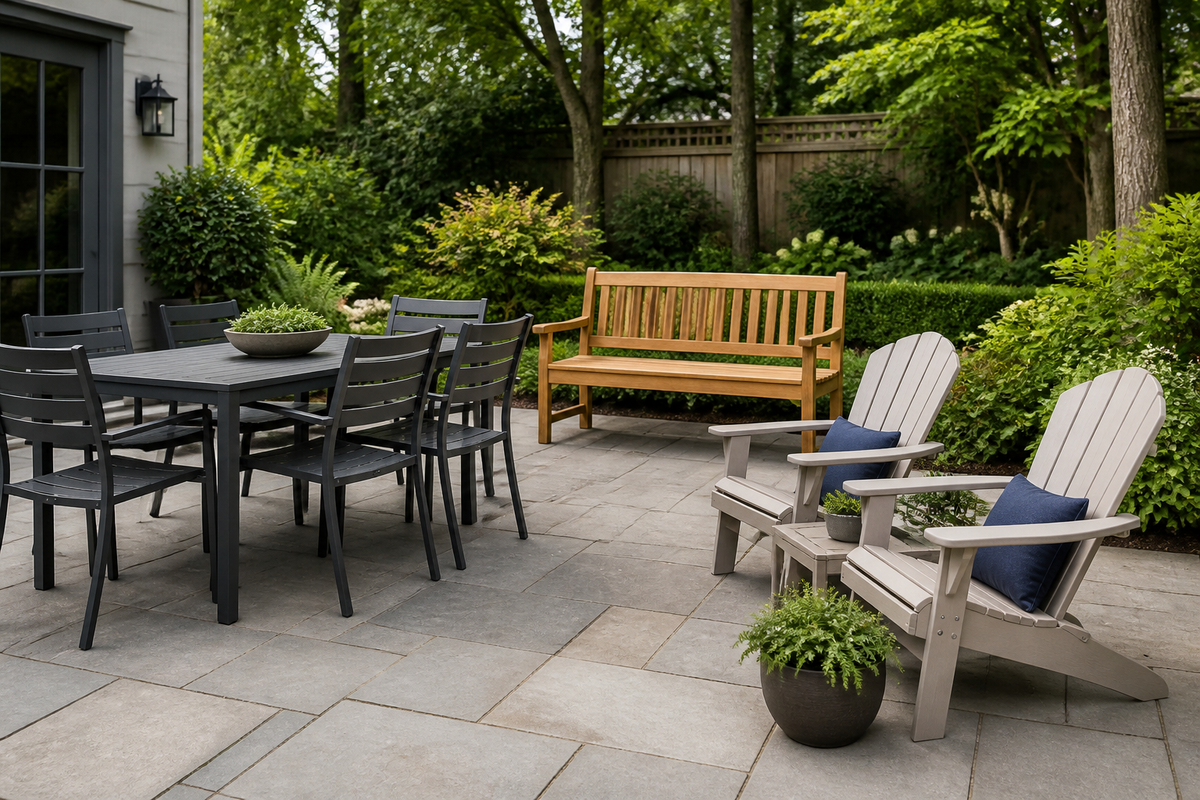
What Is the Best Weather Resistant Outdoor Furniture Material?
The best weather resistant outdoor furniture material for most homes is powder-coated aluminum. It resists rust, handles rain well, is lightweight, and usually needs less maintenance than natural wood or untreated steel. That said, the right choice depends on your climate, how much upkeep you accept, and whether you need frames, tabletops, or cushions to handle heavy sun, salt air, or frequent moisture.
In practical terms, no single material is best in every condition. Teak lasts extremely well but needs periodic care if you want to preserve its original color. HDPE lumber performs very well in wet and coastal settings. Resin wicker can work well when it is woven over an aluminum frame, while low-quality wicker and unprotected steel tend to fail faster outdoors.
Quick answer: the best material depends on your climate
If you want the shortest answer, choose powder-coated aluminum for the best mix of durability, low maintenance, and broad weather resistance. Choose teak if you want a long-lasting natural wood and do not mind higher cost and some upkeep. Choose HDPE or marine-grade polymer in wet or coastal environments where moisture and salt are constant concerns.
| Material | Best for | Main strengths | Main tradeoffs |
|---|---|---|---|
| Powder-coated aluminum | Most climates | Rust resistant, light, low maintenance | Can feel lighter in high wind |
| Teak | Long life with natural wood look | Naturally durable, stable outdoors | Higher cost, color changes without care |
| HDPE lumber | Wet, humid, coastal areas | Moisture resistant, low upkeep, does not rot | Heavier look, quality varies |
| Stainless steel | Modern designs, some coastal use | Strong, durable | Heavier, hotter in sun, grade matters |
| Resin wicker on aluminum | Covered patios, lounge seating | Comfortable, weather resistant when well made | Woven material can become brittle over time |
| Powder-coated steel | Windy areas needing weight | Strong, stable | Can rust if coating chips |
How the top outdoor furniture materials compare

The strongest comparisons usually come down to four factors: water resistance, UV resistance, corrosion risk, and maintenance. Frame material matters most for structure, but surface and cushion materials also affect long-term performance. If you are comparing complete patio furniture sets, look at the frame first and the cushions second.
Powder-coated aluminum
Powder-coated aluminum is often the best all-around answer because aluminum does not rust like iron or standard steel. The powder coating adds a protective finish that helps reduce corrosion and wear. It is especially practical for patios that see rain, heat, and normal seasonal changes.
Its main weakness is not weather resistance but weight. Lighter furniture can move in strong wind, so larger pieces may need leveling, anchoring, or storage during storms.
Teak
Teak is one of the most durable natural woods used outdoors. Its natural oils and dense grain help it resist moisture and insects better than many other woods. It can last for many years outdoors when construction quality is good.
Teak does not stay golden without maintenance. If left untreated, it usually weathers to a silver-gray patina, which is normal and not usually a sign of damage.
HDPE lumber and marine-grade polymer
HDPE and similar engineered outdoor lumber materials perform very well in wet climates. They resist rot, do not absorb water like many woods, and generally need only routine cleaning. For homes near the ocean, these materials are often easier to live with than metal that can corrode or wood that needs more regular care.
They are especially relevant for seating left outdoors year-round. In spaces built around moisture-heavy features such as fire pit tables or pool areas, low-absorption materials can reduce maintenance demands.
Stainless steel
Stainless steel is strong and durable, but not all stainless grades perform the same way. In coastal air, lower grades can still corrode over time. It also becomes hot in direct sun and is heavier than aluminum, which can be useful for stability but less convenient for rearranging.
Resin wicker
Resin wicker is a surface material, not usually the main structural frame. The better versions are synthetic wicker woven over powder-coated aluminum frames. That combination can hold up well outdoors, especially on covered patios or in moderately exposed areas.
Its durability depends heavily on quality. Cheap wicker can crack, fade, or become brittle under prolonged UV exposure.
Powder-coated steel
Steel is strong and stable, which helps in windy locations. However, once the protective coating chips or scratches deeply, exposed steel can rust. It can work well when finish quality is high and maintenance is consistent, but it is generally less forgiving than aluminum in wet conditions.
Best material by weather condition

The best weather resistant furniture material changes with exposure. Sun, humidity, salt, and freezing conditions stress materials in different ways. Matching the material to the environment is more useful than looking for a universal winner.
Rain and humidity
- Best choices: powder-coated aluminum, HDPE lumber, teak
- Use caution with: untreated steel, low-grade wicker, unsealed wood
Frequent moisture raises the risk of rust, swelling, mildew, and finish failure. In humid areas, quick-drying cushions and breathable storage also matter.
Coastal and salt air
- Best choices: HDPE lumber, high-quality teak, marine-appropriate aluminum
- Use caution with: standard steel, lower-grade stainless steel
Salt accelerates corrosion. Even corrosion-resistant metals need more frequent rinsing and inspection near the coast.
Intense sun and heat
- Best choices: UV-stable aluminum, teak, high-quality outdoor fabrics
- Use caution with: low-grade plastics, poor-quality resin wicker, dark metal surfaces that overheat
Sun damage often shows up as fading, brittleness, or fabric breakdown. UV-resistant cushions and solution-dyed fabrics are important if furniture sits in direct sunlight.
Freeze-thaw climates
- Best choices: powder-coated aluminum, teak, HDPE lumber
- Use caution with: porous materials that trap water and crack
When water enters joints, coatings, or porous surfaces, freezing can accelerate wear. Protective covers and off-season storage extend service life.
What about outdoor cushions and fabrics?
Frame material matters, but comfort materials often wear out first. For cushions, solution-dyed acrylic and other high-performance outdoor fabrics usually offer better UV resistance and color retention than standard indoor fabrics. Quick-dry foam and breathable construction also help after rain.
If you are comparing lounge seating or a wicker patio set, look for UV-stable woven material, removable cushion covers, and fabrics made for outdoor exposure. Mildew resistance depends not only on fabric chemistry but also on whether the cushion stays wet for long periods.
Which material lasts the longest?
For the longest service life, teak, high-quality powder-coated aluminum, and HDPE are usually the leading choices. Their exact lifespan depends on build quality, exposure, and maintenance. Cheap hardware, weak welds, or poor finishes can shorten life even if the base material is good.
If the question is about the lowest effort over time, powder-coated aluminum and HDPE usually beat natural wood. If the question is about a premium natural material with proven outdoor durability, teak remains one of the strongest options.
How to choose the best material for your patio
- Start with exposure. Identify whether your furniture sits in full sun, open rain, salt air, or a covered space.
- Choose the frame first. For most patios, aluminum is the safest default. For natural wood, choose teak. For wet coastal exposure, consider HDPE.
- Check maintenance tolerance. If you do not want seasonal refinishing or oiling, avoid high-maintenance wood expectations.
- Review hardware and joinery. Outdoor durability depends on fasteners, welds, drainage, and finish quality, not just material labels.
- Match the furniture type. Dining, lounge, and heat-adjacent pieces may need different materials. For example, an outdoor dining table may prioritize rigidity and surface durability, while lounge seating may prioritize frame corrosion resistance and fast-drying cushions.
Bottom line
Powder-coated aluminum is the best weather resistant outdoor furniture material for most people because it balances durability, corrosion resistance, and low maintenance. Teak is one of the best premium natural options, and HDPE is especially strong in wet or coastal settings. The best final choice depends less on trends and more on matching the material to your climate and maintenance expectations.
FAQ
What is the most durable weather resistant outdoor furniture material?
Powder-coated aluminum is often the most durable all-around choice for general outdoor use. In natural materials, teak is one of the most durable woods, and HDPE performs very well in wet or coastal conditions.
What material outdoor furniture lasts the longest?
High-quality teak, powder-coated aluminum, and HDPE are among the longest-lasting outdoor furniture materials. Lifespan depends on construction quality, local weather, and maintenance.
Is aluminum better than steel for outdoor furniture?
For weather resistance, aluminum is usually better because it does not rust like steel. Steel is stronger by weight and often more stable, but it needs a durable protective finish to prevent corrosion.
What is the best weather resistant fabric for outdoor furniture?
Solution-dyed outdoor fabrics are among the best choices because they resist fading and UV damage better than many standard fabrics. Quick-dry cushion construction also improves outdoor performance.